

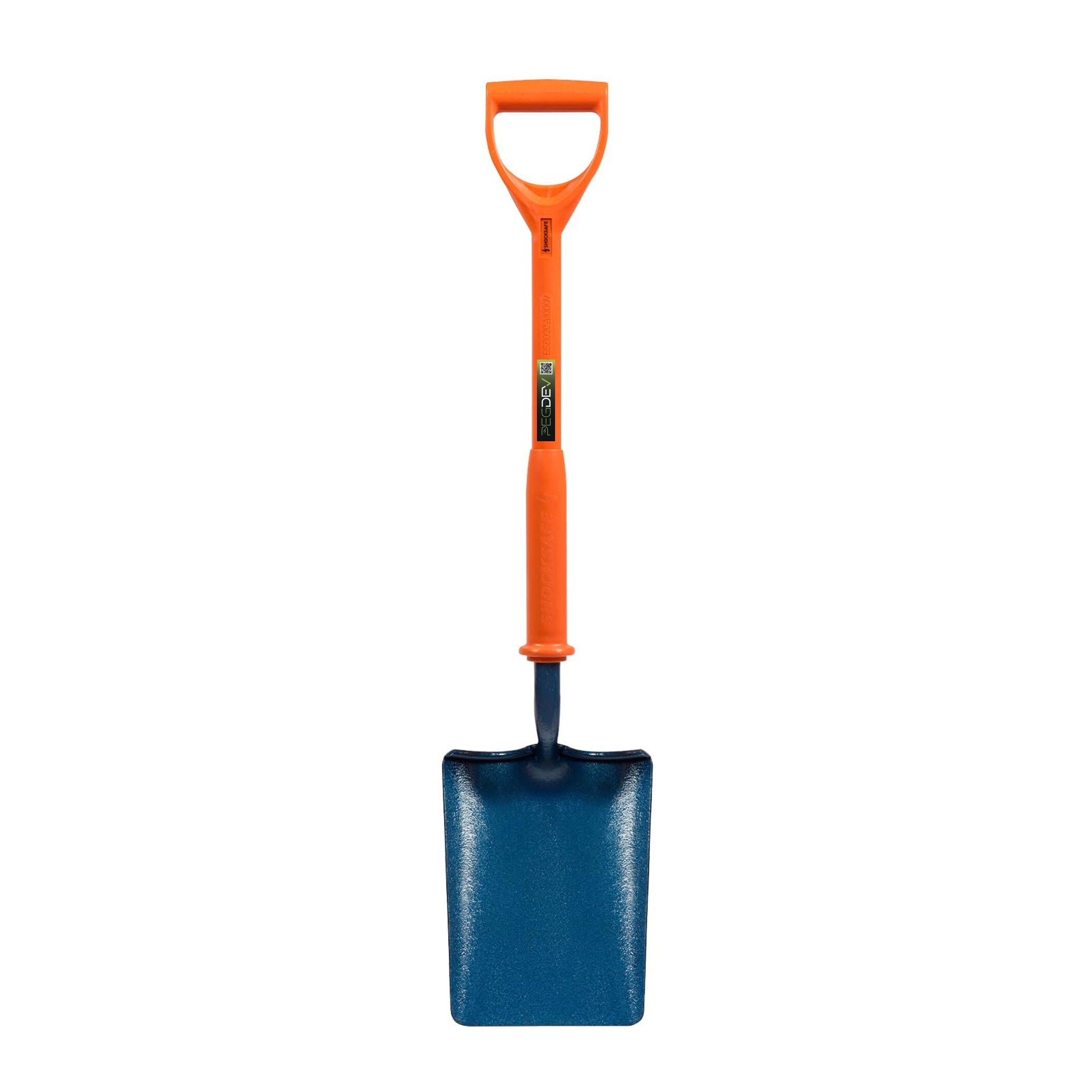
Carters Shocksafe Square Mouth Insulated Shovel – Small Head
£43.95 Exc. Vat
This is a compact, smaller variant of the popular No. 2 square mouth shovel, designed for precise material handling, concrete mixing, and back filling trenches in confined spaces near live underground utilities.
Product Specifications
- Blade Dimensions: 8 inches wide by 10.5 inches long (205mm x 267mm).
- Blade Construction: Solid-forged steel from a single billet with integrated rear foot treads for added strength and boot protection.
- Handle / Shaft: 28-inch (711mm) solid-core fiberglass shaft coated in a dual-sheathed orange safety polymer layer.
- Total Weight: Approximately 2.4kg.
Safety and Certification Standards
- Electrical Compliance: Fully tested and manufactured in absolute conformance with British Safety Standard BS8020:2011 / BS8020:2012 for live-working hand tools.
- Flash Testing: Every individual shovel is factory flash-tested to 10,000 Volts and issued its own unique traceable tracking serial number.
- Working Rating: Certified for continuous, safe exposure limits around voltages up to 1,000V AC.
Carters Shocksafe Square Mouth Insulated Shovel – Small Head
The Carters Shocksafe Square Mouth Insulated Shovel with a small head is designed for professionals who need greater confidence when carrying out excavation, maintenance and groundwork near buried services. Compact, practical and purpose-built, it provides a dependable solution for careful digging in utility corridors, trenches, cable routes and restricted work areas.
When working below ground, every excavation task demands attention. Buried electrical cables, pipes, telecommunications services and other assets may be located close to the surface or beneath disturbed ground. A suitable insulated shovel can support safer working practices while giving operatives the control needed to remove soil gradually and accurately.
This small-head square mouth shovel is particularly well suited to excavation where access is limited, where a larger blade could remove too much material at once, or where operators need to work carefully around known or suspected underground services. Its square blade profile helps lift, move and shape loose material, making it a useful tool for a broad range of groundwork and utility applications.
Designed for Careful Excavation Around Buried Services
Excavating around underground infrastructure requires a considered approach. Mechanical plant may be useful for opening larger areas, but hand excavation is often required when approaching marked service routes, exposing cable locations or carrying out work within a controlled excavation zone. The Carters Shocksafe Square Mouth Insulated Shovel is intended to support these more precise tasks.
The smaller shovel head allows operators to work in confined spaces with increased control. It can be useful when cleaning out the base of a trench, carefully removing loose spoil near a service route, creating room for inspection work or completing localised repairs. Rather than attempting to move large volumes of material in a single action, the compact head encourages a more measured excavation process.
This makes the shovel a practical choice for utility contractors, civil engineering teams, highways operatives, ground workers, facilities maintenance professionals and site crews responsible for working near underground assets. It is also suitable for organisations that need robust hand tools for planned maintenance, reinstatement and investigative digging.
A Compact Small Head for Controlled Groundwork
A small shovel head can make a significant difference where precision matters. Large excavation shovels are efficient for moving bulk material, but they are not always appropriate for work close to cables, ducts, pipework or other concealed services. The compact square mouth design helps users focus effort within a smaller area, making it easier to remove soil in manageable quantities.
The square mouth profile is useful for lifting loose earth, sand, gravel and spoil from prepared excavation areas. It can also help when tidying trench edges, clearing the base of a hand-dug opening or moving material into buckets and barrows. Its compact form is especially valuable in narrow trenches, around street furniture, beside existing infrastructure and within busy work sites where space is limited.
For teams undertaking cable avoidance work, the ability to excavate gradually is essential. A small-head insulated shovel can form part of a sensible hand-digging process when used alongside approved site procedures, service drawings, detection equipment and the relevant safe system of work.
Suitable Applications
The Carters Shocksafe Square Mouth Insulated Shovel has been developed for demanding professional environments where careful manual excavation is required. Its design makes it a versatile addition to tool stores, site vehicles and utility maintenance equipment.
Typical applications include utility maintenance and repair work, trench excavation, cable avoidance, groundwork, service exposure, inspection pit preparation and localised reinstatement tasks. It may also be useful for landscaping and construction work where a compact square shovel is preferred for moving loose materials in controlled areas.
In utility environments, hand tools should always be selected in accordance with the conditions of the job. Before excavation begins, teams should review available service information, carry out the appropriate checks and follow their organisation’s safety procedures. The shovel should be used as part of a wider safe excavation process, not as a replacement for planning, detection or competent supervision.
Insulated Tooling for Safety-Conscious Teams
Insulated excavation tools are an important consideration for organisations working in areas where underground electrical services may be present. The Carters Shocksafe range is associated with safer excavation practices, helping teams choose equipment designed for use in safety-conscious working environments.
It is important to understand that no hand tool can remove all risks associated with excavation near live or buried services. Conditions below ground can be unpredictable, records may not always reflect the exact service position, and cables or other assets may be damaged, displaced or concealed. Safe digging depends on competent planning, appropriate detection, correct excavation techniques and compliance with site-specific requirements.
Always check the manufacturer’s current instructions, inspection guidance and applicable electrical safety rating before use. Users should confirm that the tool is suitable for the intended task and working environment. If there is any doubt about a service location or condition, work should stop until the area has been assessed by an appropriately competent person.
Practical Benefits on Site
The Carters Shocksafe Square Mouth Insulated Shovel offers a practical balance between durability, maneuverability and controlled excavation. For crews who regularly work around cable routes or within narrow dig areas, a small-head shovel can be easier to position than a larger alternative.
The reduced blade size can help limit disturbance around the immediate excavation area. This is valuable where operators need to expose a service progressively, work around existing assets or keep trench bases and edges neat. It can also make the tool convenient for transport in vans, site lockers and maintenance vehicles where storage space is at a premium.
For planned works, keeping an insulated square mouth shovel available alongside cable detection equipment and other approved hand tools can help teams respond effectively when hand excavation is required. For reactive maintenance, it offers a compact option that can be deployed quickly when a localised dig is needed.
Use as Part of a Safe Digging Process
Every excavation should begin with preparation. Before breaking ground, operatives should understand the planned work area, review service plans where available and identify any known hazards. Underground service detection and marking should be carried out in line with the project requirements and recognised industry guidance.
Once the work area has been assessed, careful hand excavation may be required to confirm the position and depth of services. The small head of this shovel supports a deliberate approach, allowing material to be removed in smaller amounts. Operators should avoid forcing the blade into the ground where resistance is encountered, as unexpected obstructions may indicate buried infrastructure, debris or changes in ground conditions.
Where cables, ducts or pipework are exposed, they should be treated with care and protected in accordance with the applicable method statement. Do not use any tool in a manner that could damage an asset, compromise its support or create an unsafe condition. If a service is struck, damaged or suspected to have been affected, follow the site emergency procedure immediately.
Tool Inspection and Care
Regular inspection is essential for any professional hand tool, particularly where it may be used in safety-sensitive environments. Before each use, inspect the shovel for visible damage, wear, cracks, contamination or deterioration. Pay particular attention to the insulated areas, the blade, the connection between the handle and blade, and any signs that the tool may have been subjected to excessive force or impact.
A tool with damaged insulation or a compromised structure should be removed from service until it has been assessed in line with the manufacturer’s recommendations and your organisation’s equipment control procedures. Keeping tools clean after use also makes inspections easier and helps maintain a professional standard of site readiness.
Store the shovel in a dry, secure location where it is protected from unnecessary damage. Avoid leaving it beneath heavy materials, exposing it to conditions that may affect its condition, or using it for purposes outside its intended application. Correct storage and routine checks help protect the investment in your site equipment and support consistent safe working practices.
Why Choose a Small Head Square Mouth Shovel?
The right shovel depends on the job. A larger blade may be more appropriate for moving substantial volumes of soil, while a smaller head offers advantages where accuracy, maneuverability and restraint are more important. The Carters Shocksafe Small Head Square Mouth Shovel is a strong option for teams that need a compact tool for controlled excavation work.
Its square mouth shape is suited to collecting and lifting loose materials, while the smaller format helps users work close to trench walls, foundations, ducts and service routes. It can support more careful clearing around identified assets and is a practical choice when a full-size shovel would be difficult to use safely or efficiently.
For contractors managing varied work sites, having different shovel styles available allows teams to select the most suitable tool for each stage of the job. This small-head model can complement wider excavation equipment by providing a dedicated option for sensitive areas and detailed finishing work.
Supporting Utility, Civils and Groundwork Professionals
Whether you are preparing a trench for installation, exposing existing infrastructure for inspection, carrying out a local repair or completing reinstatement work, dependable hand tools are essential. The Carters Shocksafe Square Mouth Insulated Shovel is designed for the real demands of professional site work, where reliability and control matter every day.
It is well suited to utility contractors and maintenance providers working across electrical, water, gas, telecoms and highways environments. Civil engineering and groundwork teams can also benefit from a compact insulated shovel where excavations are close to existing services or where careful hand digging is required as part of the approved work method.
Choosing the correct equipment is only one part of effective site safety. Training, supervision, planning, service location and good communication all play a role in reducing excavation risk. By equipping teams with appropriate tools and reinforcing safe working procedures, organisations can help promote better outcomes on site.
Related products


Asphalt Diamond Blade – Mexco X90 Grade Saw Blade
In stock

Carters Insulated Heavy Duty Pole Hole Shovel Scissors
In stock
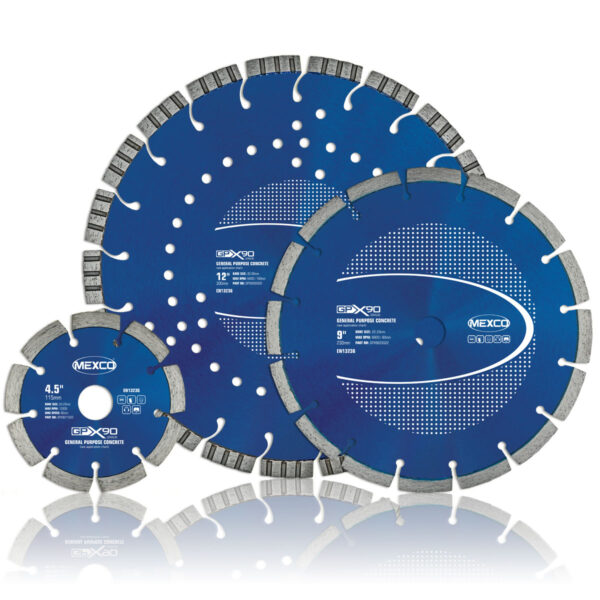
GP Concrete 10mm Diamond Saw Blade
In stock


GP Concrete Diamond Blade – Mexco X10 Grade Saw Blade
In stock
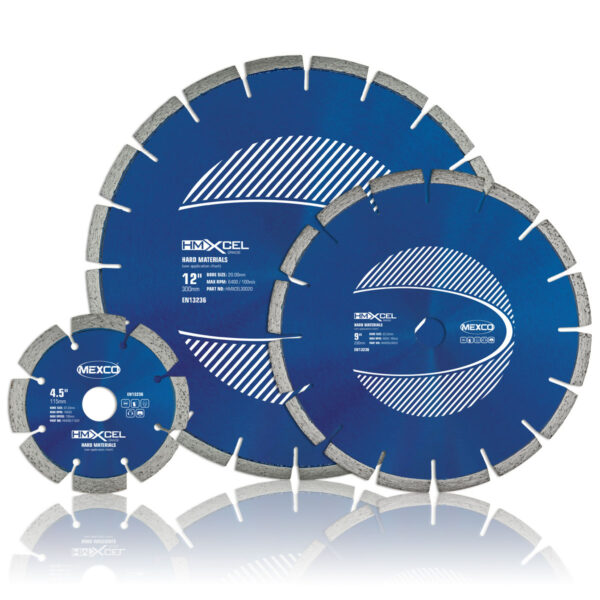
Hard Materials Diamond Saw Blade
In stock
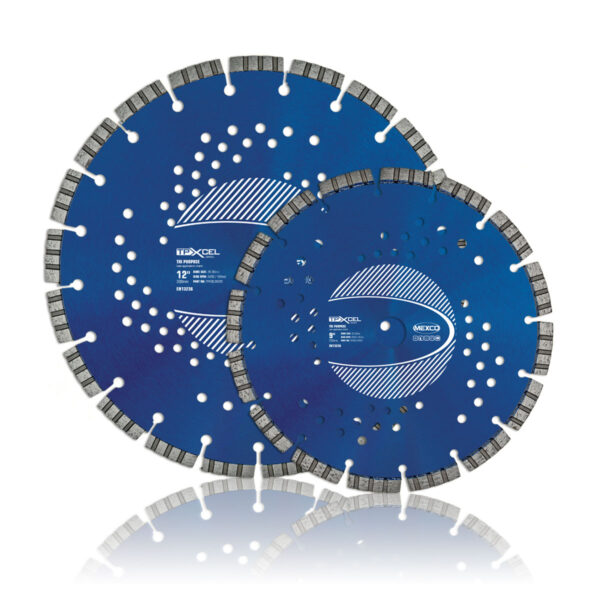
Tri Purpose Diamond Saw Blade
In stock
Ultra Hard Materials – Mexco UHXCEL Diamond Blade
In stock


 Overhead Safety Equipment
 Carabiners and Scaffold Hooks
 Fall Arrests
 Harnesses
 Lanyards
 Overhead Kits
 Slings
 Lifting and Tensioning
 Cable Pullers
 Poling
 Live Line Working
 Face Shields
 Live Working Accessories
 Insulated Hand Tools
 Insulated Allen Keys
 Insulated Link Extractors
 Insulated Nut Spinners
 Insulated Pliers and Cutters
 Insulated Ratchets and Sockets
 Insulated Saws and Knives
 Insulated Screwdrivers
 Insulated Spanners
 Insulated Specialist Tools
 Insulated Tool Kits
 Insulated Wedges
 Hand Tools
 Hammers
 Tool Bag
 Torches

 Carabiners and Scaffold Hooks
 Gate Guards

 Insulated Digging Tools
 Pole and Post Shovels
 Core Drills
 Core Drill Accessories
 Reinstatement
 Diamond Saw Blades
 Abrasive Materials Diamond Blades
 Asphalt Diamond Blades
 Ceramic Diamond Blades
 Dual Purpose Diamond Blades
 Flush Cut Diamond Blades
 Hard Materials Diamond Blades
 Metal Cut Diamond Saw Blades

 Demarcation
 Lamps
 Ramps
 Safety Traffic Barriers
 Traffic Cones

 Riggers
 Safety Boots
 Safety Shoes
 Safety Trainers
 Socks
 Wellingtons

 Flame Retardant Workwear
 Flame Retardant Accessories
 Flame Retardant Coveralls
 Flame Retardant Hats and Snoods
 Flame Retardant Jackets and Fleeces
 Flame Retardant Jumpers and Hoodies
 Flame Retardant Polo and T-Shirts
 Flame Retardant Trousers
 Flame Retardant Under Garments
 Flame Retardant Waterproof Coveralls
 Flame Retardant Waterproof Jackets
 Flame Retardant Waterproof Trousers
 Workwear
 Base Layers and Thermals
 Body Warmers
 Fleeces
 Hats and Snoods
 Hoodies
 Jackets
 Jumpers
 Trousers
 Coveralls
 Waterproof Clothing
 Waterproof Jackets
 Waterproof Trousers
 Hi Vis Vests
 Holdalls & Kit Bags


 Eye Protection
 Gloves
 Head Protection
 Bump Caps
 Chin Straps
 Ear Defenders
 Hard Hats
 Helmet Accessories
 Sweat Bands
 Ear Defenders
 Face Masks
 First Aid
 Hand Wipes
 Spill Kits