


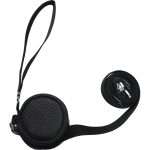
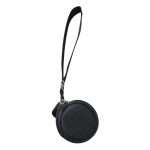

Suspension Trauma Safety Straps
£6.60 Exc. Vat
The straps are designed to be used after a fall has occurred to stop the harness from damaging your circulation when you are suspended in it.
Features
- Quick and easy installation
- Designed for easy donning and doffing
- Durable webbing with high breaking strength
- Max rated load 100kg
1057 in stock
Suspension Trauma Safety Straps
Experiencing a fall while working at heights can be a life-altering event. The immediate response is crucial to ensure your safety until help arrives. This is where Suspension Trauma Safety Straps come into play, providing an essential line of defence against the dangers of suspension trauma. Designed meticulously to prevent harness-induced circulation issues during suspension, these straps are a must-have for anyone working in environments where falls are a risk.
Understanding Suspension Trauma
Suspension trauma, also known as second hand drowning, occurs when a person is suspended in a harness for an extended period after a fall. This situation can lead to restricted blood flow, causing dizziness, fainting, or even more severe health complications. Recognizing the signs and understanding how to mitigate the risks are vital for anyone relying on safety harnesses.
Imagine being suspended mid-air, unable to move, with your blood circulation compromised. This is the reality that suspension trauma straps aim to prevent.
The Role of Suspension Trauma Safety Straps
Suspension Trauma Safety Straps are engineered to enhance the safety features of your harness. They work by redistributing the pressure evenly across your body, ensuring that circulation remains unhindered even if you find yourself hanging after a fall.
Key Features:
- Adjustable Design: Tailored to fit various body sizes, ensuring maximum comfort and effectiveness.
- High-Quality Materials: Made from durable, tear-resistant fabrics that withstand harsh conditions.
- Easy Attachment: Simple to connect and disconnect, allowing for quick response during emergencies.
- Compliance with Safety Standards: Meets or exceeds industry safety regulations for added peace of mind.
How Suspension Trauma Safety Straps Work
When attached to a safety harness, suspension trauma straps function by:
- Redistributing Weight: They help spread the load more evenly across the body, minimizing pressure points that can impede blood flow.
- Encouraging Upright Posture: By promoting a vertical stance, they reduce the risk of passing out due to restricted circulation.
- Facilitating Movement: Enable slight movements to prevent blood from pooling in the legs, maintaining a healthy circulation rate.
Step-by-Step Usage:
- Attach the Strap: Secure the suspension trauma strap to the designated points on your harness.
- Adjust for Comfort: Ensure the strap fits snugly without restricting movement.
- Regular Checks: Periodically assess the strap’s position while working to maintain optimal functionality.
- Emergency Response: In case of a fall, the strap automatically engages to support your posture and circulation.
Benefits of Using Suspension Trauma Safety Straps
Integrating suspension trauma straps into your safety gear offers numerous advantages:
- Enhanced Safety: Provides an additional layer of protection against the severe effects of suspension trauma.
- Comfort During Suspension: Reduces the discomfort associated with hanging in a harness for extended periods.
- Peace of Mind: Knowing that you have measures in place to prevent suspension trauma allows you to focus better on your tasks.
- Prolonged Survival Window: Extends the time you can safely remain suspended without immediate medical intervention.
Choosing the Right Suspension Trauma Safety Strap
Selecting the appropriate suspension trauma strap involves considering several factors to ensure it meets your specific needs:
- Compatibility: Ensure the strap is compatible with your existing harness system.
- Material Quality: Opt for straps made from high-strength materials that offer durability and resistance to wear and tear.
- Adjustability: Look for straps that can be easily adjusted to fit different body types and harness configurations.
- Certification: Verify that the straps comply with relevant safety standards and certifications.
Top Recommendations:
- Model A1: Best for general construction workers, offering a balance of comfort and durability.
- Model B2: Ideal for industrial settings with heavy-duty requirements.
- Model C3: Suitable for specialized applications, including rescue operations.
Installation and Maintenance
Proper installation and regular maintenance are crucial to ensure the effectiveness of suspension trauma straps.
Installation Tips:
- Follow Manufacturer Guidelines: Always adhere to the instructions provided by the strap manufacturer.
- Check Attachment Points: Ensure all connection points on the harness and strap are secure and free from damage.
- Test Functionality: After installation, perform a safety check to confirm that the strap operates as intended.
Maintenance Practices:
- Regular Inspections: Inspect straps for signs of wear, fraying, or damage before each use.
- Clean Properly: Follow cleaning instructions to maintain the integrity of the materials.
- Store Correctly: Keep straps in a dry, cool place away from direct sunlight to prevent deterioration.
- Replace When Necessary: Do not use straps that show any signs of damage or have exceeded their recommended lifespan.
Training and Education
Understanding how to use suspension trauma safety straps is as important as having them. Proper training ensures that you can respond effectively in the event of a fall.
Training Components:
- Usage Demonstrations: Hands-on sessions showcasing how to attach, adjust, and maintain the straps.
- Emergency Response Drills: Simulated fall scenarios to practice quick and effective responses.
- Safety Protocols: Comprehensive education on best practices for fall prevention and suspension trauma mitigation.
Compliance and Standards
Adhering to safety standards is non-negotiable in environments where falls are a risk. Suspension trauma safety straps are designed to meet stringent industry regulations, ensuring you receive reliable protection.
Relevant Standards:
- OSHA Regulations: Compliance with Occupational Safety and Health Administration guidelines for fall protection.
- ANSI Standards: Adherence to American National Standards Institute protocols for safety equipment.
- EN Safety Standards: Meeting European Norms for safety harness and strap performance.
Why Choose Our Suspension Trauma Safety Straps?
When it comes to your safety, only the best will do. Our suspension trauma safety straps are crafted with precision, ensuring reliability and comfort in the most demanding situations.
Superior Quality
We source the highest-grade materials to manufacture straps that stand the test of time, providing dependable protection every time you use them.
Innovative Design
Our straps feature ergonomic designs that not only enhance safety but also ensure maximum comfort during extended use.
Comprehensive Support
From installation guides to dedicated customer service, we are here to support you every step of the way, ensuring your safety needs are met comprehensively.
Ensuring safety at heights is a collective responsibility. By integrating suspension trauma safety straps into your harness systems, you’re not only complying with safety standards but also taking a significant step towards protecting yourself and your team from the potentially life-threatening effects of suspension trauma. Invest in quality, prioritize safety, and work with confidence knowing that you have the best protection available.
| Weight | 0.126 kg |
|---|---|
| Dimensions | 62 × 40 × 40 cm |
| Brand | Portwest |
Related products



 Overhead Safety Equipment
 Carabiners and Scaffold Hooks
 Fall Arrests
 Harnesses
 Lanyards
 Overhead Kits
 Slings
 Lifting and Tensioning
 Cable Pullers
 Poling
 Live Line Working
 Face Shields
 Live Working Accessories
 Insulated Hand Tools
 Insulated Allen Keys
 Insulated Link Extractors
 Insulated Nut Spinners
 Insulated Pliers and Cutters
 Insulated Ratchets and Sockets
 Insulated Saws and Knives
 Insulated Screwdrivers
 Insulated Spanners
 Insulated Specialist Tools
 Insulated Tool Kits
 Insulated Wedges
 Hand Tools
 Hammers
 Tool Bag
 Torches
 Carabiners and Scaffold Hooks
 Gate Guards
 Insulated Digging Tools
 Pole and Post Shovels
 Core Drills
 Core Drill Accessories
 Reinstatement
 Diamond Saw Blades
 Abrasive Materials Diamond Blades
 Asphalt Diamond Blades
 Ceramic Diamond Blades
 Dual Purpose Diamond Blades
 Flush Cut Diamond Blades
 Hard Materials Diamond Blades
 Metal Cut Diamond Saw Blades
 Demarcation
 Lamps
Lamps Ramps
Ramps Safety Traffic Barriers
 Traffic Cones
 Riggers
 Safety Boots
 Safety Shoes
 Safety Trainers
 Socks
Socks Wellingtons
 Flame Retardant Workwear
 Flame Retardant Accessories
 Flame Retardant Coveralls
 Flame Retardant Hats and Snoods
 Flame Retardant Jackets and Fleeces
 Flame Retardant Jumpers and Hoodies
 Flame Retardant Polo and T-Shirts
 Flame Retardant Trousers
 Flame Retardant Under Garments
 Flame Retardant Waterproof Coveralls
 Flame Retardant Waterproof Jackets
 Flame Retardant Waterproof Trousers
 Workwear
 Base Layers and Thermals
 Body Warmers
 Fleeces
 Hats and Snoods
 Hoodies
 Jackets
 Jumpers
 Trousers
 Coveralls
 Waterproof Clothing
 Waterproof Jackets
 Waterproof Trousers
 Hi Vis Vests
 Holdalls & Kit Bags

 Eye Protection
 Gloves
 Head Protection
 Bump Caps
 Chin Straps
 Ear Defenders
 Hard Hats
 Helmet Accessories
 Sweat Bands
 Ear Defenders
 Face Masks
 First Aid
 Hand Wipes
 Spill Kits